Answers for the search process
Frequently asked questions about choosing memory care.
Use these questions to get oriented, tighten your shortlist, and prepare for tours or follow-up calls. The goal is not to answer every situation in the abstract. It is to help families ask better questions in the real search.

Getting Started
How do I compare memory care facilities?
Start with location and visitation convenience — you'll want to visit regularly. Then compare secured-unit features, staffing approach, daily routines, and what's included in pricing. Schedule tours at your top choices to see the environment firsthand.
What's the difference between memory care and assisted living?
Memory care communities specialize in supporting residents with Alzheimer's and other forms of dementia. They typically feature secured environments, staff specifically trained in dementia care, and structured daily routines designed around cognitive needs. Assisted living provides broader support for daily activities but may not have these specialized features.
When is it time to consider memory care?
Common signs include increasing difficulty with daily activities, wandering or getting lost, safety concerns at home, caregiver burnout, or a doctor's recommendation. Every situation is different — trust your observations and consult with healthcare providers.
What should I look for when evaluating a facility?
Key factors include staff-to-resident ratios, dementia-specific training, safety features (secured exits, monitoring), daily activity programming, meal quality, cleanliness, family communication practices, and overall atmosphere during your visit.
Using This Directory
How are facilities listed in this directory?
Facilities are sourced from public datasets covering major metro areas across the US. Each listing includes location, contact information, and category details to help you compare options.
How current is the listing information?
Listings are updated regularly from our data sources. Each listing includes a data version reference. We always recommend confirming details like pricing, availability, and services directly with the facility.
Is this directory free to use?
Yes. Searching, filtering, and comparing facilities is completely free for families. Our goal is to help you find the right memory care option.
How do I contact a facility?
Each listing page includes phone numbers and website links when available. You can also use the "Request Pricing" form to have us connect you with the facility directly.
What to notice when evaluating daily life
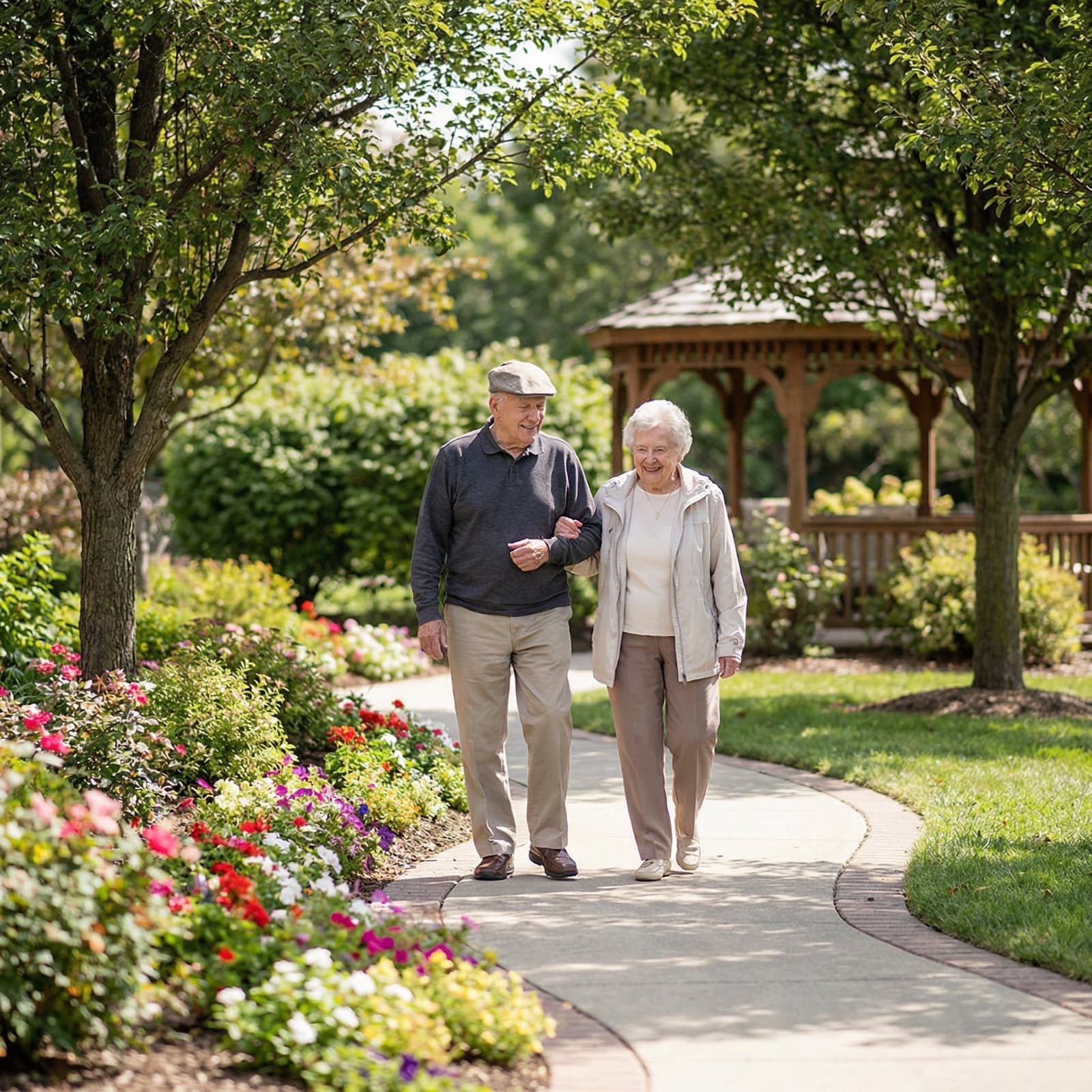
Look past the brochure and pay attention to the rhythm of the place.
During tours and follow-up conversations, look for the smaller signals that shape everyday fit: how residents spend time, how staff interact in ordinary moments, and whether the setting feels calm, engaged, and easy to navigate.
The strongest communities often communicate quality through routine, not performance: thoughtful programming, natural conversation, and a setting that supports dignity throughout the day.

Costs & Payment
What does memory care typically cost?
Costs vary significantly by location, level of care, and amenities. National averages range from $5,000 to $7,000+ per month, but many areas are higher. Always ask what's included in the base rate versus add-on services.
What questions should I ask about pricing?
Ask what the base monthly rate includes, what services cost extra (medication management, transportation, specialized care), whether rates increase as care needs change, and what the billing structure looks like.
Does insurance cover memory care?
Traditional health insurance typically does not cover long-term memory care. However, long-term care insurance, VA benefits, and Medicaid (in some states) may help. Ask each facility which payment sources they accept.
Are there financial assistance options?
Options may include long-term care insurance, Veterans benefits (Aid & Attendance), Medicaid waiver programs, and bridge loans. A financial advisor specializing in elder care can help identify options for your situation.
Touring & Choosing
What should I ask during a tour?
Key questions: What's the staff-to-resident ratio? How are staff trained for dementia care? What does a typical day look like? What happens if care needs increase? How do you communicate with families? What's included in the monthly cost?
How far in advance should I start looking?
Start exploring options before there's an urgent need, if possible. The research and decision process typically takes several weeks to a few months. Some facilities have waitlists, so earlier planning gives you more choices.
Can I arrange a short-term or respite stay?
Many communities offer respite or short-term stays, which can be a good way to try a facility before committing. Availability and minimum-stay requirements vary, so ask directly.
What should I observe during a visit?
Pay attention to how staff interact with residents, the general cleanliness and atmosphere, activity levels, meal quality, outdoor spaces, safety features, and whether residents seem comfortable and engaged.
What a calmer, safer environment can look like
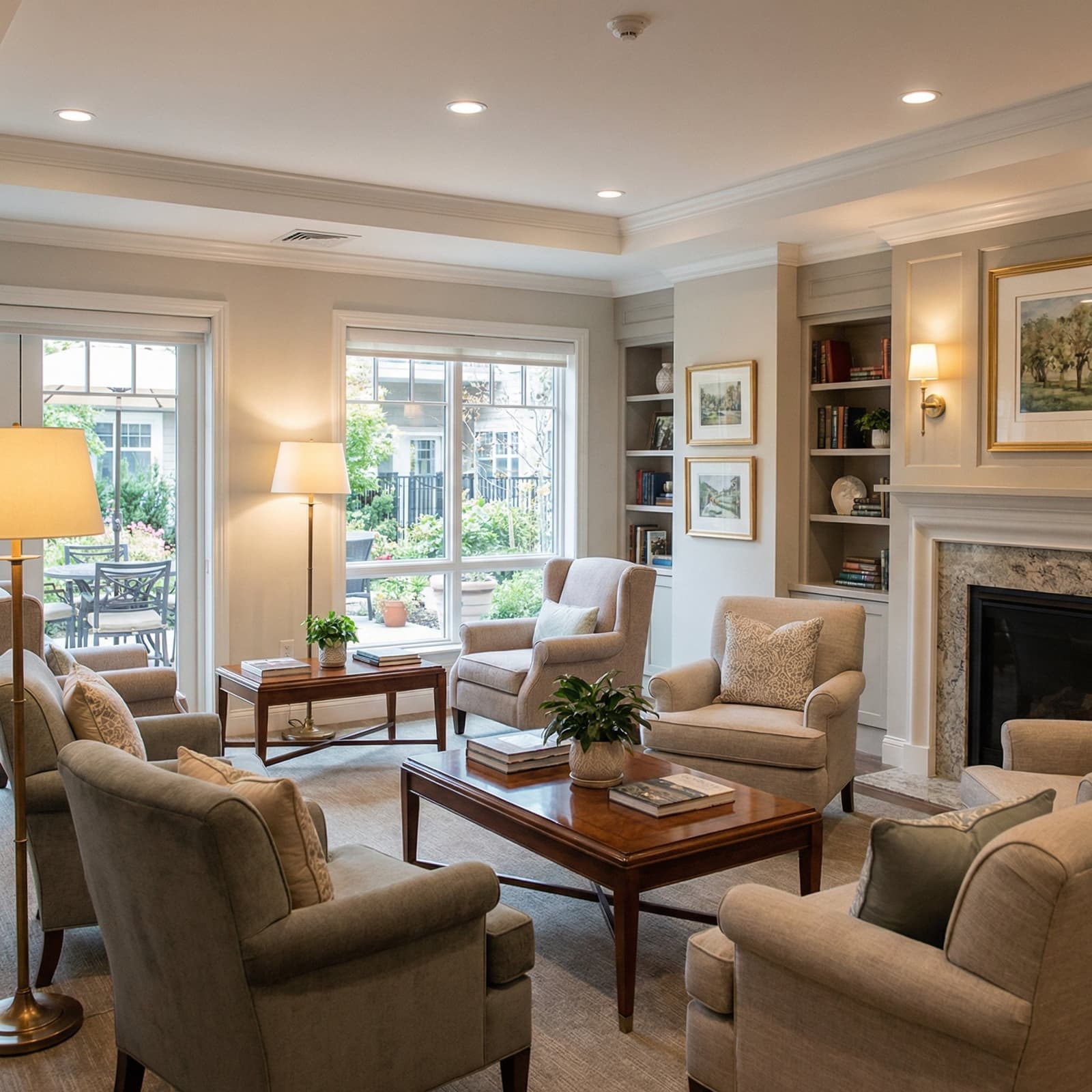
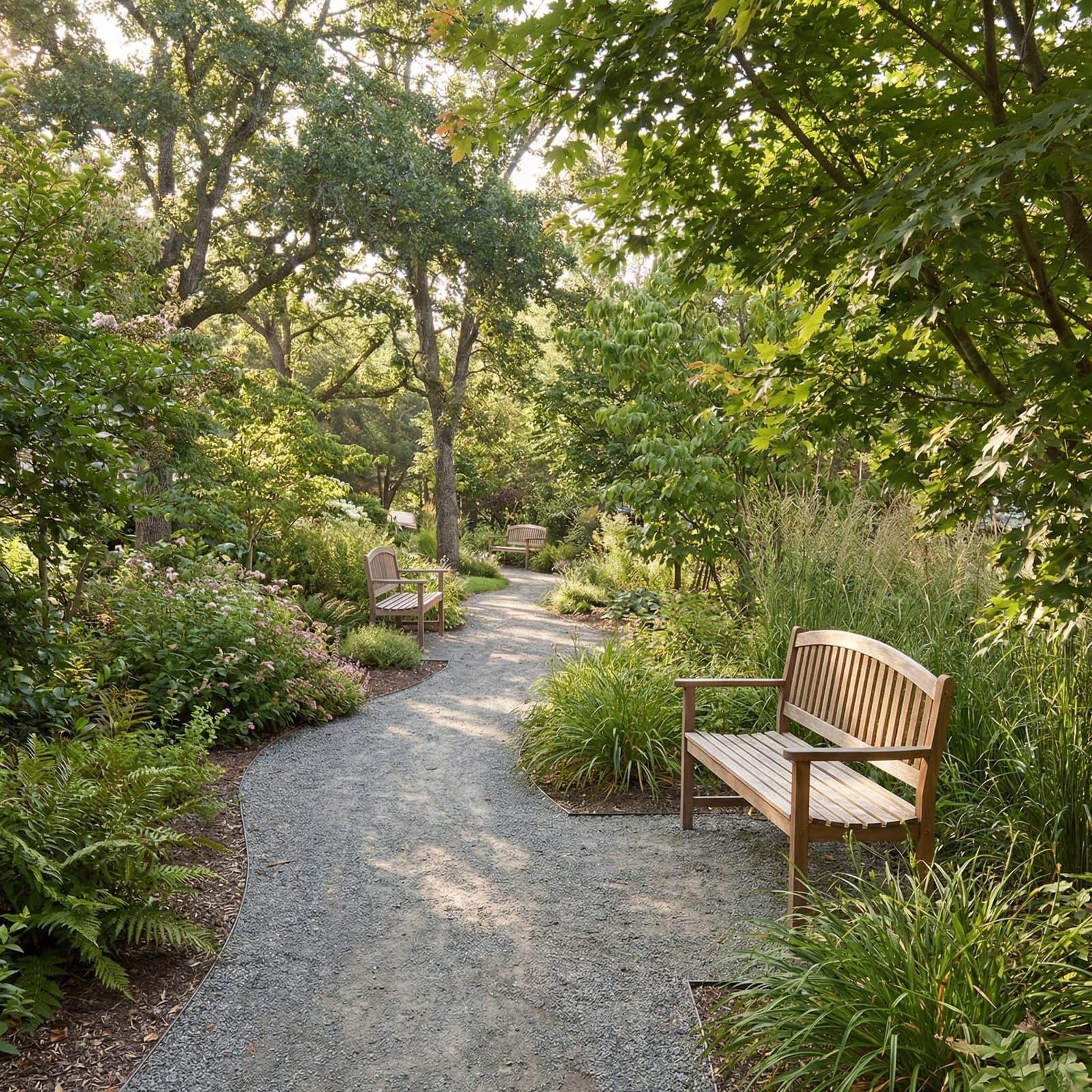
Good memory care should feel secure without feeling harsh.
Families often ask how to recognize safety and quality beyond a checklist. Part of the answer is atmosphere: spaces with clear sightlines, comfortable seating, quieter transitions, and outdoor areas that feel protected and usable rather than ornamental.
Use the care and quality questions below to connect that physical environment to staffing, communication, and dementia-specific support.
Care & Quality
How should staff be trained for memory care?
Look for staff with specific dementia care training, not just general caregiving certification. Ask about ongoing education, how staff handle behavioral changes, and what specialized training programs they use.
What kind of activities should a good facility offer?
Quality programs include structured daily routines, sensory activities, music and art therapy, physical movement, social engagement, and activities adapted to different cognitive levels.
How are residents kept safe?
Memory care communities typically feature secured entrances and exits, monitoring systems, emergency call systems, safe outdoor spaces, and protocols for wandering prevention.
How do facilities communicate with families?
Good facilities offer regular care plan updates, family meetings, incident reporting, and easy access to staff. Ask about their communication schedule, preferred methods, and how they handle concerns.